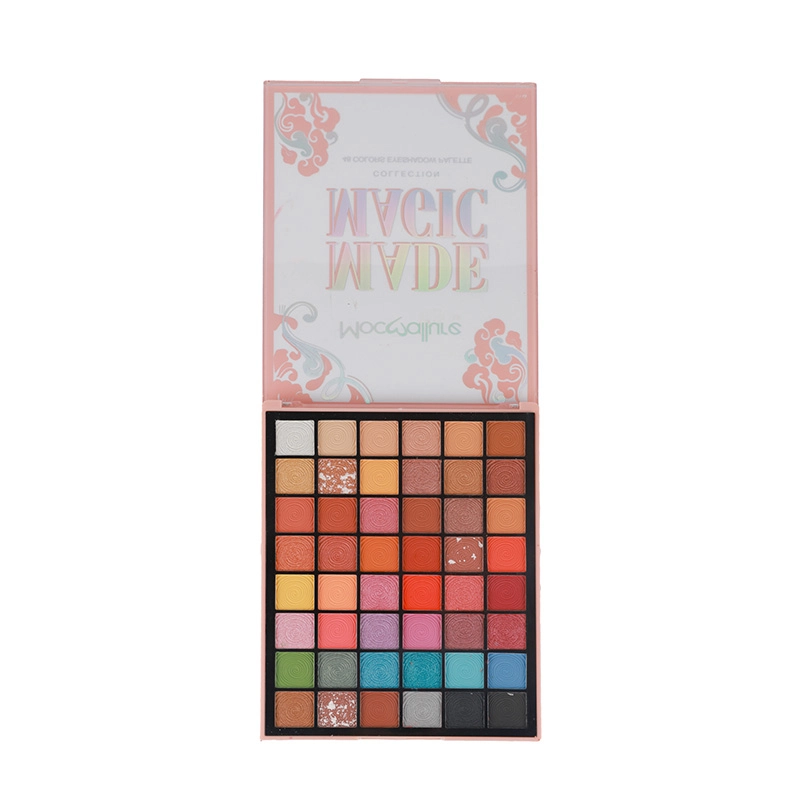
Two 48-shade palettes can sit on the same makeup shelf and give staff different looks to show. One display might lead with a coffee-brown eye. A display a few feet away might build a look around a blue accent.
Mocoallure’s ES3648A gives the store a warm-neutral option and ES3648C gives it a bright option. Either can go into a regular range or a short promotion. For a first wholesale colorful eyeshadow palette order, the buyer can work back from the planned selling window, using the same approach for a warm-neutral order.
Before either model goes into a purchase order, the buyer needs a benchmark. Sales of a palette in the same price band can provide a starting point for a shelf display. For an event, a previous promotion with a comparable audience may be the closer match.
What each palette would do on the shelf
Searches for full-beat makeup looks rose 460% in Pinterest’s 2026 beauty trend report. The figure is for searches on Pinterest. It may help explain the appeal of a bolder demonstration, while the store’s own sales history is the better input for an opening order. The first step is to give each sample a job on the shelf.
ES3648A for warm-neutral looks
Mocoallure’s ES3648A warm-neutral palette includes warm brown, light coffee and dark brown shades with matte, pearlescent and shimmer textures. The buyer might ask staff to demonstrate a soft matte eye and then use one of the shimmer shades to change the finish. The two looks give the store a concrete way to decide where the palette fits in the current range.
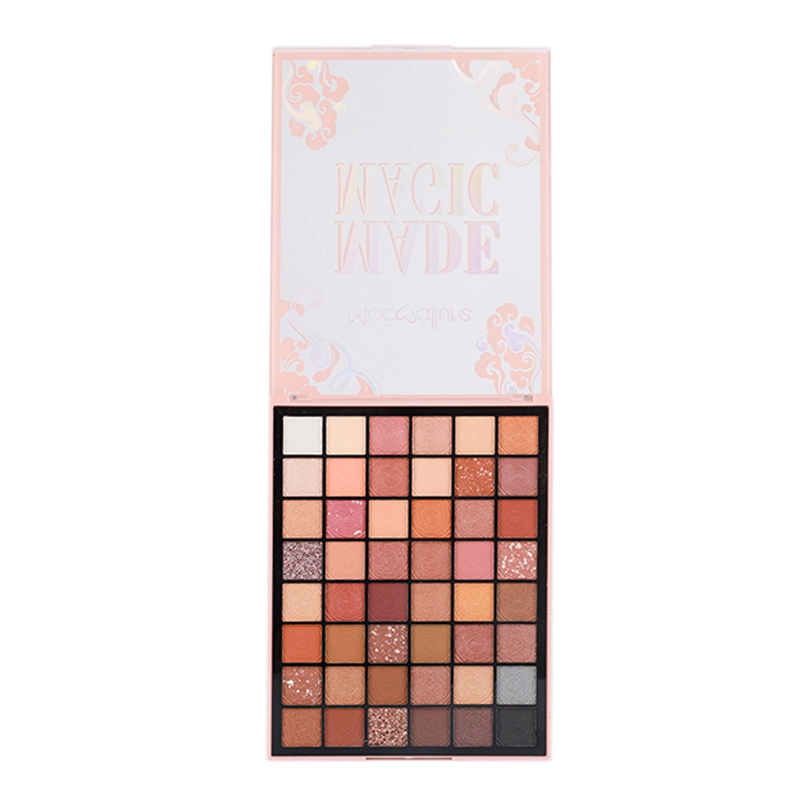
ES3648C for bright accent looks
The ES3648C bright 48-shade palette is presented by Mocoallure for bold looks including party and stage makeup. For a regular display or a campaign, the sample can be checked against a look the store actually plans to demonstrate. A bright accent with two supporting shades is a more useful brief than a request for “something colorful.”
What the demo adds to the shelf decision
The buyer can record the pans used in each trial look on a simple diagram. For either palette, the diagram can show which looks the store can demonstrate from the pans alone and which call for a second product already on the shelf. That extra item matters if the campaign promises a look from a single palette.
For either model, the buyer can also decide where the remaining stock would go if a display has an end date. A regular shelf slot or a planned transfer gives the store a way to keep selling the units after a promotion.
The opening order in weekly sales
Mocoallure lists 96 pieces as the ready-to-ship minimum on both model pages. The quantity to use in the buying plan is the one confirmed for the exact SKU. Carton packing and dispatch also belong in the quote, especially if stock has to arrive ahead of an event.
A six-week example
In this example, a shop orders 96 pieces of either palette and sets a six-week sell-through target of 75%. That is 72 units, or 12 per week on average. If a comparable display moved six per week, the same run would account for 36 units. The buyer has a concrete gap to resolve before placing the order. A second shop might have room for part of the stock, provided it has a credible use for the palette and the sales plan counts each store separately.
Stock for the display and stock for sale
A buyer can make two counts before dividing a carton. One count is the number of palettes actually available for purchase at the trial location. The other is the number already spoken for by the display, another branch or an online order. If four units out of 96 are held back, the store has 92 available.
Against 92 available units, the 72 purchases in the example would leave 20 units on the trial shelf. A buyer planning for stock after the event can decide in advance whether those units will stay in the regular range, move to another location or need a markdown.
With more than one branch, the location matters as much as the total. A slow branch can have stock on hand while the shop running the demonstration has little left. A transfer may cover the next event without placing a fresh order. The units still belong in only one branch’s available count at a time.
What counts as a sale
The sales report can separate purchases at the intended retail price from units moved on markdown. A display can reach its unit target and still leave a weak case for repeating the same order at the original price. Recording returns separately helps the buyer reconcile the sales report with the stock left in the store.
When the first event accounts for most of the sales
A useful reorder note separates the event day from the following weeks. A store that sells 24 palettes at one event and six the next week has two different sales figures to work with. For a second event with a similar audience, the first figure can help set a working quantity. For a regular shelf slot, the six sales are closer to the question the buyer needs to answer. One quiet week is still a limited basis for a recurring order.
The buyer can bring the stock position into the same decision. If another shipment would arrive after the display comes down, the next order needs a selling plan of its own. If the supplier can deliver in time, existing stock and the expected demand for the remaining dates help show how much space there is for a reorder.
The quote and the U.S. eye-area check
Once the buyer has a proposed quantity, the next two checks serve different purposes. The quotation identifies what will be supplied. The product review checks the shade information for the version being ordered.
Quote by model and arrival date
A quote that simply says “48-shade palette” leaves room for the wrong SKU to be picked. Two lines, one for ES3648A and one for ES3648C, give the buyer a place to check the units, carton packing and dispatch date for each. For an event order, the on-sale date belongs beside the shipping destination. An arrival date that falls after the display goes up can cut a week out of a short trial.
A request for the finished palette and a brief for a new shade layout are separate jobs. A buyer considering the latter can start with Mocoallure’s guide to developing a private label eyeshadow palette.
Match the shade list to the U.S. review
For the U.S. review, a useful starting point is a shade list that matches the pans in the actual sample. The question for each color additive is whether it may be used around the eye, as the FDA’s guidance on color additives in cosmetics explains. If a supplier sends one list of possible colorants for the whole palette, the reviewer may still need to ask which of those colorants are in a particular pan.
Conclusion
ES3648A and ES3648C give a store two color stories to work with. For either palette, a six-week display gives the buyer a weekly sales target to check before ordering. A palette going into the regular range can be assessed against a current item selling at a similar price. Mocoallure’s buying contact can take a request for a wholesale eyeshadow quotation that names the model, quantity, U.S. destination and on-sale date.
FAQ
Can one opening order cover both models?
The practical question is whether a quote would accept 48 pieces of ES3648A and 48 of ES3648C, for example. The two listings give 96 pieces each. A combined order of that kind would need a separate confirmation.
Can in-store trial sales guide an online opening order?
They can provide a reference if the selling conditions are comparable. A store demonstration lets shoppers see a finished look, while an online listing depends on what the photos and shade descriptions show. An online buying plan should account for that difference before adopting the store’s sales pace.